
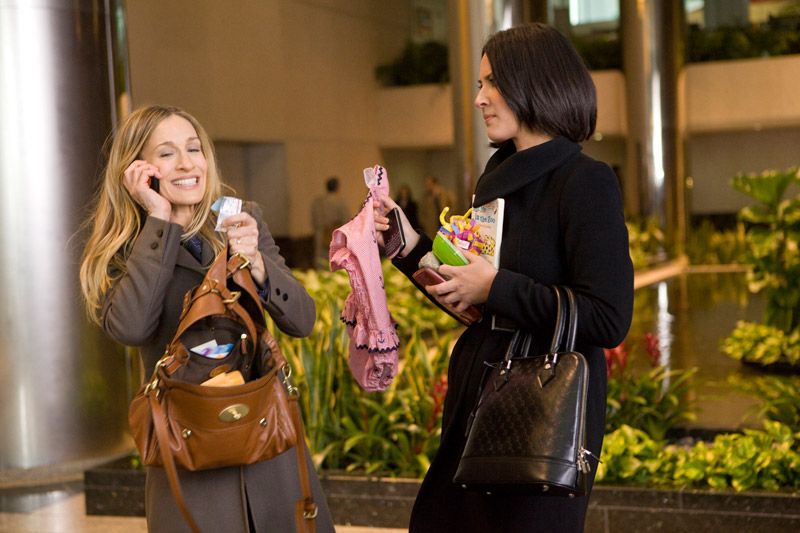
How does the words Female breadwinners make you feel? Happy. Sad. Angry. Worried. There are multiple factors that come into mind when I hear Female breadwinners. One it makes me happy to hear and see female breadwinners that are financially successful especially in an area that was dominantly known for males. Two, it challenges the traditional gender roles that society are familiar with such as women being the caretaker and men being the provider. In a study done by Guant, “Finding show that primary caregiving fathers and primary breadwinning mothers are viewed less favorably than caregiving mothers and breadwinning fathers’ ‘ which means that mothers are being favored as caregivers. This could be due to many reasons such as the stereotypes that men and women face such as “women are less task competent than men” (Guant, 2013).
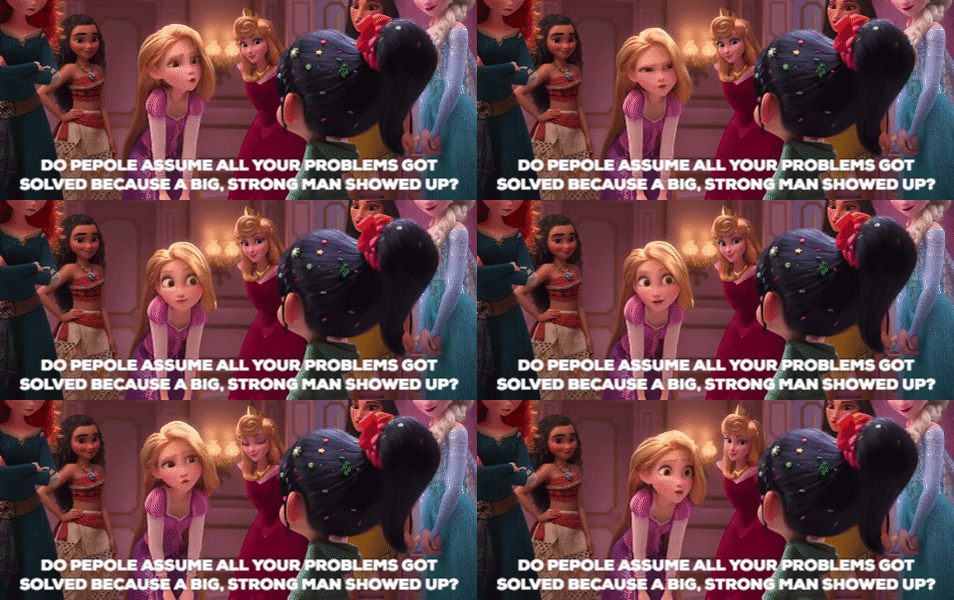
The role of being the breadwinners in families are predominantly known for males. Recently I was reminded by my eight-year-old sister that in the past women were not allowed to do plenty of things that males could such as voting or being able to work. These gender roles were inflicted upon us at a young age due to society’s traditional view and the stereotypes that people have about women being fragile. There aren’t many social media portrayals of females taking the lead until recently where Disney started producing movies where the stereotypical damsel in distress princesses became confident leaders that were independent. (picture below)
Where did these gender roles come from?
They didn’t appear out of thin air. Gender roles weren’t assigned by a specific person. It was built within cultures and communities to assign tasks a general source of function for overall productivity. However time has evolved since then, and so have resources and education. This means we no longer need someone to hunt, provide food, build shelter, take care of children(s), wash clothes, and prepare food. If these tasks have evolved, why haven’t gender roles evolved? Deutsch stated “Although they acknowledge that particular differences may vary from culture to culture or within a society over time, they imply that the omnipresence of gender as a created system of difference will always bolster a system of inequality” (2007). With movements, marches and protests, awareness is being spread and gender roles are becoming more neutral.
One stereotype that media portrays is that men are macho and strong, and women are weak and unstable. Media may be one of the main influences of gender stereotypes, which has a huge influence on minoritized cultures. “For example, when Hmong women take on more leadership roles, it is often seen as threatening to the traditional male-dominated structure” (Lor, 2013). I can relate to this by being female in a Hmong family. Although I am a first generation Hmong-American and the second oldest daughter in the family I still can’t drink alcohol in front of my male relatives. I am still expected to cook, clean and watch over my siblings versus my brothers that get the leisure to lounge in the house.

Who does this affect?
This affects woman and men from wanting to try to change the gender stereotypes. It mostly affects woman, from making an attempt to try to achieve higher than the males or from wanting to pursue masculine jobs that are given to men. I have heard from a couple of men stating that they do not want to be with a woman just because she has a higher degree than him or that she makes more money. It also gives this portrayal that women who are breadwinners do not care about their family, which is not true. Female breadwinners are no different from male breadwinners. Society does not view male breadwinners as being heartless or selfish when it comes to being financially stable for their families. This also belittles woman’s work in the workforces by not allowing them to prove their credibility in the workforce. A women could have multiple credentials from gaining experiences in school or from previous jobs and would still be second guessed by a male worker.
As a result “good” for a women does not mean the same thing as “good” for a man”
Guant, 2013
It also affects men from feeling pressure to present this masculine image of themselves to society and the fear of being looked down upon for wanting to take a step back. The peer-pressure of living up to these gender stereotype can escalate to being called gay and bullying. Being less masculine does not make a person gay, it is the way people view feminine in men and their uncomfortableness that gives people the idea that is gay even though its not. However, it doesn’t stop with the bullying or name calling. This also does not make anyone less of a person for wanting to change the gender stereotypes. It only gives people another perspective to look at and to understand that there is no difference from being a female and wanting to feel financially stable just like any man would.
Why Should We Care?
The traditional gender roles of being the male breadwinner is limiting young females from wanting to achieve beyond males. It creates a barrier for females to want to try something out of the norm from doing feminine roles. This matter is not a one person problem. As I’ve listed above it affects everyone, males and females.

How Can We Change It?
A couple of tips for creating changes are to celebrate success which helps subcultures to normalize female breadwinners or their female success in general. There are tons of things that women have done that some people just brush it aside. I’m not suggesting that we should only applaud females but when a female does accomplish something out of the ordinary, we should celebrate it instead of having second thoughts about it. For example, Mom got promoted into a higher position than dad, families should celebrate this instead of thinking that the mom does not care for her children. Also to understand that just because people are celebrating Mom’s (female) success does not mean that Dad (male) has failed. Lets not shame anyone for being themselves.
Also using traditional proverbs that are viewed as a negative and turning it into a positive. For example there is a proverb that states “Let the women do the talking, she can bicker all she wants” (Lor, 2013) that can be viewed positively by saying women are going to speak up to the things that matter. They will continue to speak up until changes have been made and this could be that they will become lawyers, teachers, or a politician. Overall, be open-minded to trying new things that make society uncomfortable such as seeing female breadwinners and male care-givers.
References
Deutsch, F., M. (2007). Undoing Gender. Perspectives. Vol. 21 No. 1. DOI: 10.1177/0891243206293577
Gaunt, R. (2013). Breadwinning Moms, Caregiving Dads: Double Standard in Social Judgments of Gender Norm Violators. Journal of Family Issues. DOI: 10.1177/01925
Lor, P. (2013). A Hmong Professional Women’s Reflections and Perspectives on The Influences Affecting the Changing Roles of Hmong Women in America. Journal of Cultural Diversity. Vol. 20, No. 1.


















 Houa Lee Blog