
In my family, it was normal for my grandparents to live with my parents. I grew up in a home that has grandma taking care of my siblings and I while my parents were at work. My grandpa would sometimes play cards or watch The Price is Right with me while my grandma cooks lunch. I thought it was normal for all families to have their grandparents live with them. That was until I started school and told my friends that my grandparents still live with me but theirs live in a nursery home or in their own house.

My grandparents recently moved out of the house two years ago and it is still strange for me. I have too many good memories of my grandparents living with me for twenty-one years that it sucks to see my grandparents move out. I’ll miss the days that I’m watching an Asian Drama and my grandma sneaks out of bed to watch it with me as I translate them. Then my grandpa walks to the living room to lecture my grandma to sleep but ends up watching the Asian Drama with us until he’s reminded about the time. My grandparents are around eighty year’s old but I’m not sure if this is accurate since they really didn’t care about birth days and only knew the time people were born around seasonal changes like the harvest time or rainy days. But anyways they’re around eight years old and always acted like they can do things on their own without needing my help to carry groceries or mow the lawn. As horrible as it sounds, I was convinced that my grandparents were super heroes. I know right, I was easily fooled.
Just how powerful for families are health-related changes in aging family members?
Sara Hohn Qualls
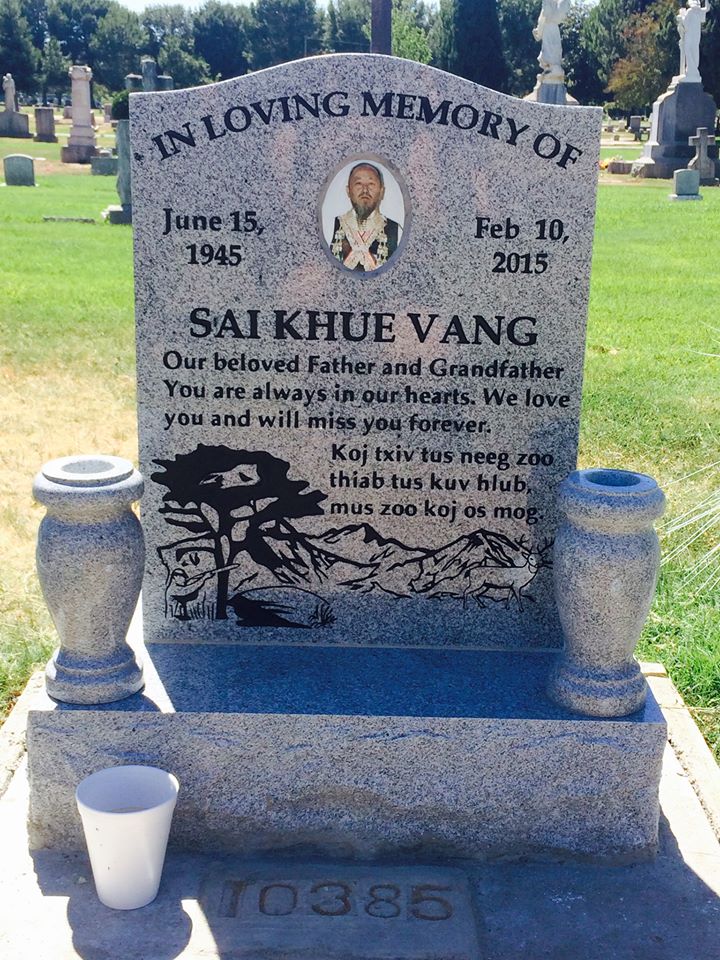
I started to became more aware of my grandparents health three years ago when I lost maternal grandfather. My mom was grieving for a long time which made it difficult for me to ask her about my grandfathers death without crying. I also didn’t expect to loose him since he was healthy and had no illness. His death had affected multiple families that knew him and the strangers that he had helped. It was after my grandfathers death that my mom and her siblings started being more cautious of my grandmother. Since my grandmother lives in California, my mom would call her more often to talk and check on her health. She would also remind my grandmother to take her medications on time and to ask her grandchildren for help. I also made a couple of phone calls to my grandmother and I was surprised that she did not mind having her children’s parenting her on taking her medications and slowing down. She would often joke that she’s forgetful and thats why she’s glad that my mom calls her to check up on her. My grandfathers death took a stroll on me since I’ve never lost anyone to death before and I wanted to be the strong one for my family. Which also back fired since I wasn’t able to grieve.

I never knew how fragile my grandparents life were until I saw my (paternal) grandpa lying weak in the hospital bed. The first time, he fainted at a nursery home and was rushed to the hospital. I visited him he told me “tsis txhob txhawj, Kuv tsis mob loj.” in translation it means don’t worry, my pain is not big (deal or emergency). The doctor had advised if they can put a camera down his throat to see what is happening to his body on the inside that caused him to faint. My immediate reaction was to do the procedure but my grandpa only cared about coming home. Since I am a girl I was not allowed to have an opinion on my grandpa’s medical procedure. Therefore my dad and uncle were the ones that were deciding with him about doing the procedures that the doctor had recommended. They agree to not proceed which made me worried but my parents reassured me that they were going to keep a close eye on my grandpa. This made me less worried. The second time, happened after they moved out. I got a call from my cousin at 11pm about grandpa slipping in the bath tub and was rushed to the Emergency room.
Who looks after the caregivers?
Gibbs
My grandpa is the one that holds the family together. He is the one that is in charge of making family decisions and settling disputes between families or outside of families. It was difficult for my grandpa to accept other people’s help. The only help he accepted from me was to translate to the doctors and thanking them for helping him. He finally accepted the procedure of having the camera go down his throat (I forgot the term/name for it). Since I was still an undergrad, my parents told me to focus on school. I decided to visit my grandpa on the weekend to make sure that he was doing “good” like the doctor said. As I got to my paternal grandparents home, I wanted to do everything for him. I wanted to cook, clean, ask him about his medical procedure and if there was anyone I need to file a complaint about for disrespecting them while I wasn’t there. My grandpa didn’t want me to do anything. He just wanted my company and to have someone to talk. I stayed with him. Then he told me that my first cousins had gotten the medication refilled and picked up new ones. I decided to make a few phone calls to ask the pharmacist about the medications since they were confusing and as much as I wanted to help my grandpa. He wouldn’t let me.
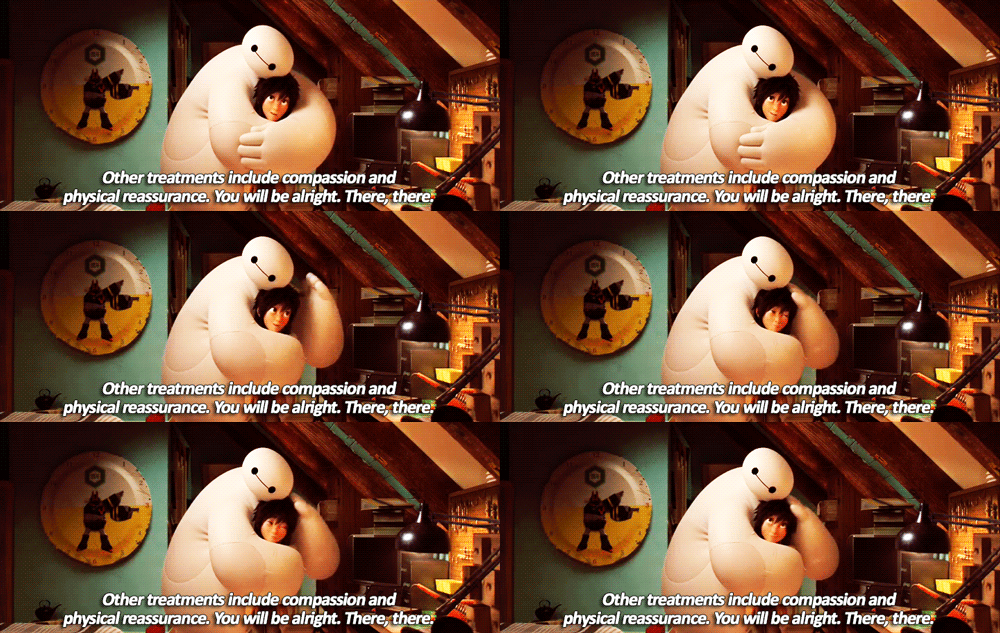
Which makes me think of Gibbs question as to who looks after the caregivers? Since I am a female not everyone in my family tells me everything that goes on. It really sucks that I don’t know how else to help my paternal grandpa and that they won’t let me. However, I am in charge of taking care of my mom’s health. My mom is around forty years old and although she’s still young I want to make sure that she is healthy. I’ve set up all of her health appointments and have gone to most of her appointments with her. Since I don’t trust some Hmong translators because they’re just really bad at explaining things at clinics that I decided its better for the both of us if I just go with her. Recently my mom is diagnosed with Ulcers and is taking medications to kill the bacteria. My sisters and I have been in charge of cooking meals for the family since the medication makes her drowsy. I also remind my mom that she needs to take the medicine everyday around the same time. My younger sister role is entertaining my mom when she is having a rough day and so far it works for her. Sadly my brothers aren’t actively involved in taking care of my mom but I do remind him that he needs to keep an eye on mom.
References
Gibbs, N. (2010). The Coping Conundrum. The Longer we Live the More Important Elder Care Becomes. But Who Looks After the Caregivers? Time
Qualls, S. H. (2013). “Caregiving is Just What Families Do”: Challenges of Aging Families and Health. NCFR
 Houa Lee Blog