Online Youth Identity

Imagine an eight-year-old girl having the best time of her life creating slim because her parents couldn’t afford it. Therefore she thought of making her own slim at home by researching the materials online and finding her supplies at home. There were multiple steps to getting it right since each slim is slightly different from one another. You have to make sure it’s not too gooey or sticky and not too much that you can’t preserve it in a jar. Then of course there’s that wonderful feeling of accomplishing a goal and getting the perfect slim that you wanted. Now imagine not being able to do any of this experiment because parents think that it’s dangerous, wasteful and messy. Imagine that child being told to practice studying math, science and reading that possibly holds no or less meaning to children. This little girl has dived into being curious about making experiments with different glues, shampoos, and dish soaps. She is being a creative thinker and is curious about everything. Our fears are logical but it could also be the one that is stopping youths from forming their own identity online and that is to be an activist, videographer, photographer or webpage designer and just anything that makes them feel unique. 

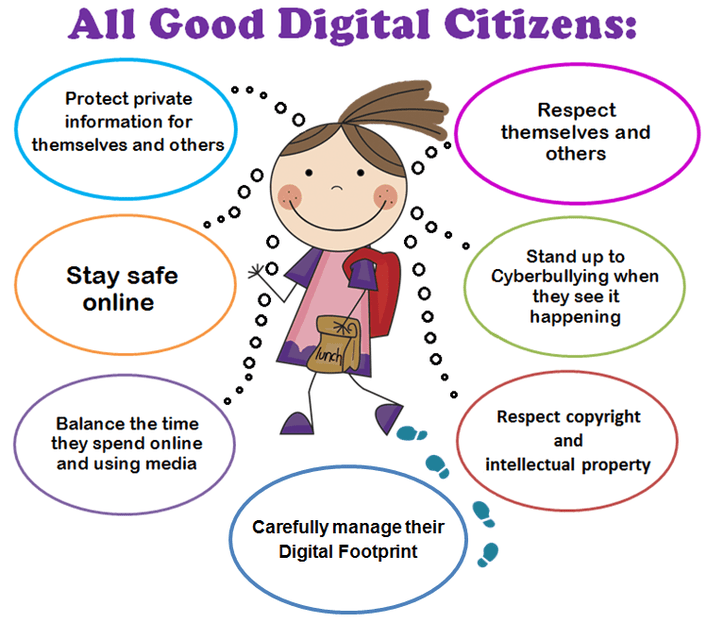
This experiment has become a part of her identity and without this she wouldn’t be interested in science without the help of digital footprint. Digital footprint is “a trail of data you create while using the internet” (2014) and it records your online data. For example, people record videos and post them on Youtube and are able to share them with their friends or use the computer to play video games and chat with friends. All of those trails are being recorded. There are a couple of pros and cons to digital footprint such as the things that youths research online can easily find since it is one of their most popular or related searches. One of the cons is that it can invade privacy by oversharing your personal information. In the past I have received emails from people claiming that they know where my family is from and that I have a distant relative that passed away and has a large sum of money that was left behind. I know this is a common scam, and this email scam can mislead youth because money is something youths are interested in, and would like to have. In these emails the scammers ask for bank account information, along with social security numbers and full names. These emails worry me because it is very easy to make an email sound persuasive, and with how much information is on the internet it is easy to make it seem like the scammer knows you from a simple google search. Therefore it is important to have a conversation with youths about staying safe online. This video below gives a couple more perfect examples of oversharing by Teen Voices. 

Common Sense Education. Teen Voices. Retrieved from https://www.youtube.com/watch?v=ottnH427Fr8

However, I do believe that youths and teens can create an online identity that is defined in multiple ways such as exploring new ideas, showing representation or expression, being recognizable or present in society (Davis & Weinstein, 2017). Anything that will define your own characteristic trait. Along with digital footprint is that almost everything posted online is permanent therefore we should be careful about the things that we post on the internet and be aware of what others are sharing. As Erikson mentions he “believes young people needed a safe space to explore different identity and see which of them fit” (2017). 
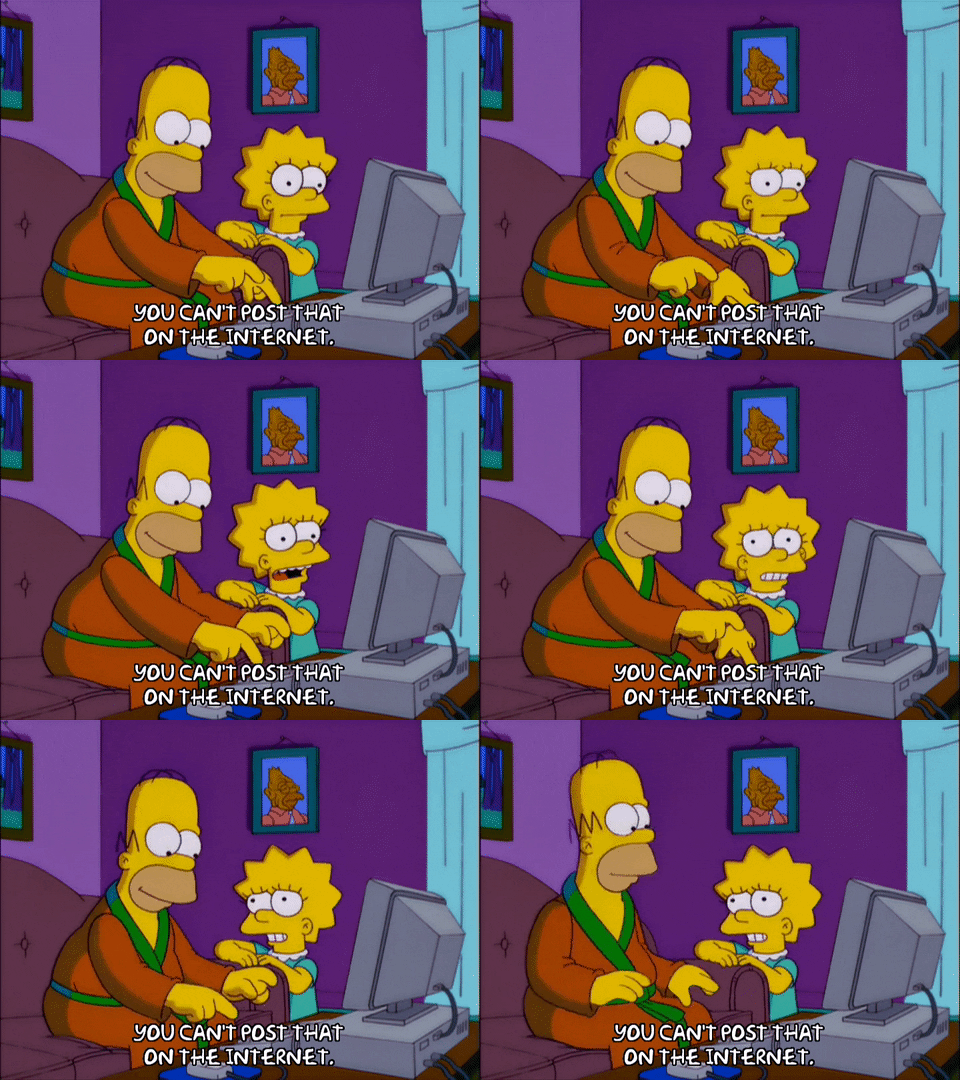
This is relevant since everyday youth are trying to find themselves. They are learning new things about the world and finding who they are as a person especially in this generation that is constantly involved with technology. There are schools that are giving Chromebooks, and are teaching students how to use Minecraft as a learning tool. Due to Covid-19 lockdown there is a huge transition of having schools being taught online and keeping social distance. Which makes this a great opportunity for youths to explore more of the internet to learn more about themselves and try to enjoy this new transition. I know that in my house, it has become harder for my younger siblings to enjoy the internet when they are constantly having virtual class online and then having to do their homework online as well. It can be draining that people would feel like they are not themselves. People

As important as it is to form an online identity it is also important to stay safe and to be aware of the dangers of giving out/posting too much personal information online. For example, TiK Tok has become a popular app among youths, adolescents and so one. On TiK Tok people use it to create funny videos and possibly to become a comedian one day. However, one of the possible dangers of creating a TiK Tok video is that people forget to limit themselves from being the next well known TiK Tok video. It is really easy for people to become addicted to this since the videos are short and straight to the point. My point is that there are pros and cons about having an online identity and that there are

What does researchers suggest?

As Moreno mentions, having boundaries between your online and offline identity is important to not give out too much of your personal information (2013). There is an issue with being overly exposed to information online such as learning about a new video game or following the next trend shown on Youtube and Instagram. A couple of strategies that we as human beings can take are to educate youths about using an appropriate amount of time online. For example, a 11 year old son is staying home and goes on their computer for school. He is video chatting with his teacher and asking questions for help on a class assignment. As a break he decides to turn on his Nintendo switch to play a little video game then goes on Youtube to watch a funny video and then heads back to the computer to work on his homework. Within the timeframe there has been no break from a computer screen and this creates overly exposure to the use of the internet. 

I had experienced a tantrum from a five year-old girl that had led to a lecture with my little sister about her overuse of technology. At the time she was in school and her friends would talk to her about the interesting youtube videos and games on the internet. This created a book of curiosity in her mind and it was impossible to get her to listen when she is on the computer. According to researchers I needed to raise awareness (Haan, 2009) and have a discussion with my younger sister about harms of the internet and boundaries (Moreno, 2013). Luckily, I have learned how to talk to her and come up with rules that are reasonable that we both can agree on. She was willing to listen and followed the new rules that we came up with. I am not saying that this is the best or right way but this is how it has worked for me and my family to get along without feeling like she is being overly exposed to the internet. 

References

Common Sense Education. (2019, Jan. 11). Teen Voices: Oversharing and Your Digital Footprint. Retrieved from https://www.youtube.com/watch?v=ottnH427Fr8

Davis, K. & Weinstein, E. (2017). Identity development in the digital age: An Eriksonian perspective. In M.F. Wright (Ed.), Identity, sexuality, and relationships among emerging adults in the digital age (pp. 1-17)

De Haan, J. (2009). Maximizing Opportunities and Minimizing For Children Online. In S. Livingstone & L. Haddon (Eds.), Kids online: Opportunities and risks for children (pp. 187-198). Portland, OR: The Policy Press

Digital Footprint. (2014, May 26). Retrieved from https://techterms.com/definition/digital_footprint

Moreno, M. A. (2013). The Healthy Internet Use Model: Using Boundaries, Communication, and Balance to Stay Safe Online. In Sex, drugs, ‘n facebook: A parents’ toolkit for promoting healthy internet use (pp. 39-54). Alameda, CA: Hunter House Publishers

 

Aging or Growing Old

How do we define aging? And What comes to mind when we hear the words aging? Most people think of being old like almost turning 30, growing white hair, and having wrinkles. According to my younger sister who is eight-years-old she believes that going to 4th grade will make her age and she’s not entirely wrong. In normal life cycles people are changing everyday. There’s growth to learning more about aging and how this could affect our mental health as well. In this situation, I want to dive into aging and growing older and how adolescents or even young adults can be more aware of elders. This is also coming from my perspective of working in elder care as a second generation Hmong American in the field of Family Social Science.

In the topics of aging people are so inclined to think about physical appearance that sometimes we forget what aging does to the body on the inside. As a Personal Care Assistant I had the pleasure of assisting elder care and have seen how my patient went from being able to walk at my pace to slowing down. Or from being able to open a water bottle to needing my help. These are mostly viewed as the minor things that comes with aging. It can also be unbelievable for people to grasp the thought of not being able to do their daily routines. The older humans become the more our bodies can no longer support us and that is okay to ask for help. Its not always easy to find things to do as you get older, therefore I had to do some research to find other activities that aren’t too harsh for elders. One simple task that never age is asking them to tell a story and you can be as specific or broad about this since humans love to talk about themselves. Of course not all of this was easy, there were some things that I have to do research to be a better helper to my patients such as finding the perfect itch cream or food that has iron and vitamin D.

Retrieved from Google Image search

Not only do I notice aging as a Personal Care Assistant but as a granddaughter too. I have witnessed my grandparents being able to remember my birthday to forgetting our last conversation. I would have the same conversation with my grandparents about college life and how to use my degree to become a better helper. A part of aging also makes people forget. Therefore we have to be patient with our aging mothers, fathers, grandparents, neighbors and the community. A couple of resources that I found to be helpful with aging was from the National Institute of Aging and Mayo Clinic. Aging affects everyone and it is important to understand how it affects us as we grow older. A couple of ways to change our views of aging and elder care are to at least have a conversation about it. There are families that do not understand or know what is going on and one way to approach this is by having a conversation. Also being patience with aging can help. In society it may be easy to forget to take a moment and call our family and to check-in with them.

Resources

https://www.nia.nih.gov/about/aging-well-21st-century-strategic-directions-research-aging/understanding-dynamics-aging

https://www.mayoclinic.org/healthy-lifestyle/healthy-aging/in-depth/aging/art-20046070

Digital Citizenship in Family Profession

First off, What is digital citizenship? This is a fancy term that is defined by Godfrey as “a way for students to understand how to build safe virtual spaces and communities, demonstrate respect for others, manage personal information, and understand digital laws” (2016, p. 18). There are some good digital citizens such as using appropriate websites with credibility and some not so good ways of using it such as cyber bullying or leaving personal information online. Everyone has their own personal preferences on using their smartphones, computers, smartwatch, tablets etc. and ways of accessing it which is why I find it important for people to understand good digital citizens. Technology is constantly changing and improving. One example, would be the newest iPhones that have three cameras instead of one and other fancy gadgets that come with it. I agree that family professionals should model and encourage digital citizenship because they are working on the front lines with families. Also because in most family professions they have created a bond or relationship with their clients in order for it to be appropriate to give advice of being a good digital citizen instead of hearing about it from a complete stranger. 

Good digital citizenship relates to family profession because it intersects with helping family on the content and practice of family life. Any family profession creates a respectful form of relationship between the clients and the employee. In this case it is more understanding for a family profession to encourage their clients or students to become a good digital citizen. For example, my little sister is in third grade, she admires her teacher and would always talk about the things that she learned in class. If her teacher was to give a lesson about being a good digital citizen, then she is most likely to remember it and will implement them in her daily activities when she is on the computer or wants to download a new game. As Godfrey mentions this being taught in class can “empower students to use technology appropriately and to develop positive digital footprints online” (Sheninger, 2014; Godfrey, 2016, p. 22). Also by doing this she is reminding others about how to use technology and creating a safe space on the internet. The family professions are to give guidance to their clients and this could be beneficial for others that are not aware of keeping their personal information away from the internet. Lastly, this plays a role in helping families delegate their use of IT. 

We should care because without understanding how to be a good digital citizen can create a snowball effect of creating possible stress in the family. For example, a daughter could be complaining about her parents being mean for not letting her go out with her friends because she didn’t do her chores. This daughter could also be expressing things out of anger and could possibly reveal their personal life on the Internet which could create more problems in the family. According to researchers from their studies their sample size uses a good amount of technology such as “emails (100% in personal life; 64% in couple therapy); social media (87% in personal life, 18% in couple therapy); texting (96% in personal life; 51% in couple therapy); and video chatting or calling (87% in personal life; 25% in couple therapy)” (Piercy, Riger, Voskanova, Chang, Haugen, Sturdivant, 2015, p. 212). This shows that everyone is always using technology either for their personal life or for other reasons. There is a higher percentage for people to use technology for their personal life which means how much of their personal lives are being shared to the world? Therefore we should become more aware of being a good digital citizen.

References

Godfrey, R., V. (2016). Digital Citizenship: Paving the Way for Family and Consumer Sciences. Journal of Family & Consumer Sciences. Vol. 108, No. 2, 18-22. DOI: 10.14307

Piercy, F., P., Riger, D., Voskanova, C., Chang, W., Haugen, E., and Sturdivant, L. (2015). What Marriage and Family Therapists Tell Us about Improving Couple Relationships Through Technology. Improving Couple Relationships Through Technology. 207- 227.

Respnse to Simon Sinek

My response to Simon Sinek is that his perspective about millennial is very simple minded and some of his points were contradicting. This made it a little confusing for me to understand exactly what his thoughts were on millennials in the workforce. I also want to keep in mind that this is coming from a CIS White male giving a general overview about the overall millennials which also gives me more reasons to disagree with his statement that has a one side outlook. Since he broke it down to four categories; parenting, technology, impatience, and environment. I will do the same and keep in mind this is coming my experience as a millennial Hmong American women with family background of Refugee’s. I will explain from my perspective of how intersectionality plays a role into my millennial life and hopefully understand why Sinek statement has irked me to respond.

The first category is parenting and Simon defined it as parents making their children believe that they can do everything. Is it so wrong to give your children hope for the future? And to make them believe that they can make a difference? Children are still young and innocent. They should not be born as an adult until they learn from their mistakes. My parents gave me hope but that didn’t stop me from wanting to learn and build relationships with my peers. They taught me to defend myself and my peers when there is discrimination or injustice happening. Not only do parents give children hope but he assumed that all millennial parents bought their child’s success. Which belittle the parents that have tried to overcome obstacles of speaking and learning English to support their children. It also belittles the student such as myself that put all their energy into completing their homework with the help of parents and siblings that are in the process of comprehending the English language. Their hard work was not acknowledge and that is not okay with me. We should not solely blame parents for everything when something has gone “wrong” or out of our comfort zone. If it was so simple, for parents to buy their child’s success then what is the point of having an education or getting a college degree?

Second, he mentions technology and how millennials appear to be the only ones that does not understand how to put their phones away. Once people become attach to their phones, I don’t think anyone can stand to put them away. This is the reality of having new technology and learning how to use them. It becomes addicting just like how Snapchat was trending with creating short videos by a push of a button and how instagram gives people creative ideas with pictures. I understand there are time and place that people do not need their phones out. We have new ways of working that revolves around technology. According to Demerouti, the new ways of working “increase three kinds of‘overload’: information overload, work overload, and social overload”(2013). Since technology is expanding it is expected for millennial to learn the new materials as it is being develop which creates information overload. This puts a hold onto processing the new information that is being given. There’s also work overload that is given to a group of people to work on a project or more. However, not everyone is contributing to work on the project which creates stress for any employee that is stuck with the group. I guess this makes sense why millennial are lazy, they are feeling burnout from information overload, work overload and social overload.

A part of me understand that cellphones can be a gestures of being rude or not paying attention. However, I believe that people have their own reasons for having their phones in their hand at all time. Sinek believes that the only way to have a genuine work relationship is by having a conversation with the person. There are some people that are more willing to share about their personal life more than others. A respected employee should understand that having a phone in their hand should not define their character, integrity or values. If any of the employees were curious or had concern, they could always ask them directly by pulling them aside. For example, I could be one of the most hard working employee in the company but the moment I picked up my phone to answer a family emergency text during my meeting, my work ethic is being degraded. Why is that? Why should we devalue our employee or in this case millennial, work ethic the moment they answer their phone? Not everyone looks at their phone to see how many people have liked their post on Facebook or Instagram. I do agree that the constant use of information and communication technology (ICT) has created an unhealthy habits (Berkowsky, 2013).

He also mentions that my generation are impatient and that millennial do not see the mountain after the summit. Has it ever occur to him that people are realizing that working in an office or corporate place just isn’t for them and that they’re not being lazy. It is not as if they are using their social media accounts and checking for updates on Facebook (Berkowsky, 2013) but are trying to work and deal with the stress that comes with work.

Lastly, he mentions the environment and how its the corporate environment fault for lacking leadership. Sir, What are you talking about? I’m assuming that he was trying to say this was all his fault to be the good cop by saying that he understand the corporate messed up. Demerouti mentions the New ways of Working by allowing workers to choose their hours and this could be very beneficial to people that are working far away. (2014). I am surprise that my classmate’s parents sent them this video.

References

Berkowsky, R. W. (2013). When You Just Cannot Get Away. InformationCommunication & Society. Vol. 16, p. 519-541. 

Demerouti, E., Derks, D., Brummelhuis, L., and Bakker, A., B. (2014). New Ways of Working: Impact on Working Conditions, Work-Family Balance, and Well-Being. ResearchGate. 

Willrath, B., “Simmon Sinek – Millennials in the Workplace.”Youtube, 28 Dec. 2016

Featured

Female Breadwinners in Families

I Don’t Know How She Does It, 2011. Retrieve from https://www.finnkino.fi/en/event/298845/title/i_dont_know_how_she_does_it/

How does the words Female breadwinners make you feel? Happy. Sad. Angry. Worried. There are multiple factors that come into mind when I hear Female breadwinners. One it makes me happy to hear and see female breadwinners that are financially successful especially in an area that was dominantly known for males. Two, it challenges the traditional gender roles that society are familiar with such as women being the caretaker and men being the provider. In a study done by Guant, “Finding show that primary caregiving fathers and primary breadwinning mothers are viewed less favorably than caregiving mothers and breadwinning fathers’ ‘ which means that mothers are being favored as caregivers. This could be due to many reasons such as the stereotypes that men and women face such as “women are less task competent than men” (Guant, 2013).

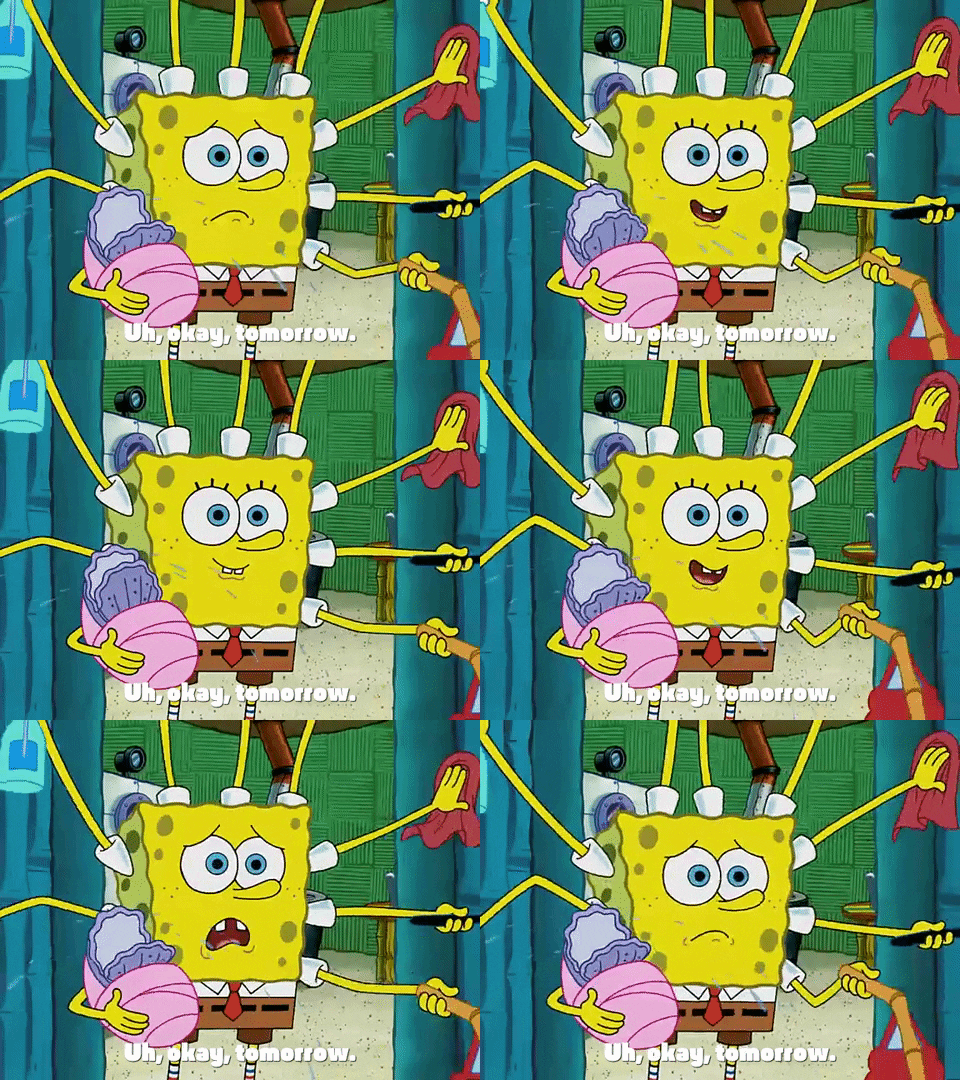
The role of being the breadwinners in families are predominantly known for males. Recently I was reminded by my eight-year-old sister that in the past women were not allowed to do plenty of things that males could such as voting or being able to work. These gender roles were inflicted upon us at a young age due to society’s traditional view and the stereotypes that people have about women being fragile. There aren’t many social media portrayals of females taking the lead until recently where Disney started producing movies where the stereotypical damsel in distress princesses became confident leaders that were independent. (picture below)

Where did these gender roles come from?

They didn’t appear out of thin air. Gender roles weren’t assigned by a specific person. It was built within cultures and communities to assign tasks a general source of function for overall productivity. However time has evolved since then, and so have resources and education. This means we no longer need someone to hunt, provide food, build shelter, take care of children(s), wash clothes, and prepare food. If these tasks have evolved, why haven’t gender roles evolved? Deutsch stated “Although they acknowledge that particular differences may vary from culture to culture or within a society over time, they imply that the omnipresence of gender as a created system of difference will always bolster a system of inequality” (2007). With movements, marches and protests, awareness is being spread and gender roles are becoming more neutral.

One stereotype that media portrays is that men are macho and strong, and women are weak and unstable. Media may be one of the main influences of gender stereotypes, which has a huge influence on minoritized cultures. “For example, when Hmong women take on more leadership roles, it is often seen as threatening to the traditional male-dominated structure” (Lor, 2013). I can relate to this by being female in a Hmong family. Although I am a first generation Hmong-American and the second oldest daughter in the family I still can’t drink alcohol in front of my male relatives. I am still expected to cook, clean and watch over my siblings versus my brothers that get the leisure to lounge in the house.

Nickelodeon, Spongebob Square Pants, retrieve from https://giphy.com/gifs/spongebob-season-3-spongebob-squarepants-3o7GUyRdPsZwC4nlTi

Who does this affect?

This affects woman and men from wanting to try to change the gender stereotypes. It mostly affects woman, from making an attempt to try to achieve higher than the males or from wanting to pursue masculine jobs that are given to men. I have heard from a couple of men stating that they do not want to be with a woman just because she has a higher degree than him or that she makes more money. It also gives this portrayal that women who are breadwinners do not care about their family, which is not true. Female breadwinners are no different from male breadwinners. Society does not view male breadwinners as being heartless or selfish when it comes to being financially stable for their families. This also belittles woman’s work in the workforces by not allowing them to prove their credibility in the workforce. A women could have multiple credentials from gaining experiences in school or from previous jobs and would still be second guessed by a male worker.

As a result “good” for a women does not mean the same thing as “good” for a man”

Guant, 2013

It also affects men from feeling pressure to present this masculine image of themselves to society and the fear of being looked down upon for wanting to take a step back. The peer-pressure of living up to these gender stereotype can escalate to being called gay and bullying. Being less masculine does not make a person gay, it is the way people view feminine in men and their uncomfortableness that gives people the idea that is gay even though its not. However, it doesn’t stop with the bullying or name calling. This also does not make anyone less of a person for wanting to change the gender stereotypes. It only gives people another perspective to look at and to understand that there is no difference from being a female and wanting to feel financially stable just like any man would.

Why Should We Care?

The traditional gender roles of being the male breadwinner is limiting young females from wanting to achieve beyond males. It creates a barrier for females to want to try something out of the norm from doing feminine roles. This matter is not a one person problem. As I’ve listed above it affects everyone, males and females.

Disney Channel, Kim Possible, retrieve from https://screenrant.com/kim-possible-cartoon-makes-no-sense/

How Can We Change It?

A couple of tips for creating changes are to celebrate success which helps subcultures to normalize female breadwinners or their female success in general. There are tons of things that women have done that some people just brush it aside. I’m not suggesting that we should only applaud females but when a female does accomplish something out of the ordinary, we should celebrate it instead of having second thoughts about it. For example, Mom got promoted into a higher position than dad, families should celebrate this instead of thinking that the mom does not care for her children. Also to understand that just because people are celebrating Mom’s (female) success does not mean that Dad (male) has failed. Lets not shame anyone for being themselves.

Also using traditional proverbs that are viewed as a negative and turning it into a positive. For example there is a proverb that states “Let the women do the talking, she can bicker all she wants” (Lor, 2013) that can be viewed positively by saying women are going to speak up to the things that matter. They will continue to speak up until changes have been made and this could be that they will become lawyers, teachers, or a politician. Overall, be open-minded to trying new things that make society uncomfortable such as seeing female breadwinners and male care-givers.

References

Deutsch, F., M. (2007). Undoing Gender. Perspectives. Vol. 21 No. 1. DOI: 10.1177/0891243206293577 

Gaunt, R. (2013). Breadwinning Moms, Caregiving Dads: Double Standard in Social Judgments of Gender Norm Violators. Journal of Family Issues. DOI: 10.1177/01925

Lor, P. (2013). A Hmong Professional Women’s Reflections and Perspectives on The Influences Affecting the Changing Roles of Hmong Women in America. Journal of Cultural Diversity. Vol. 20, No. 1.

Featured

Power shift in Technology

I have seen a shift in the balance of power happening in my family. My dad has a little knowledge on technology since he used to fix computers however, my mom does not. The closest that she has ever used for technology is her phone by texting or calling me. This reminds me of Anderson’s statement that “(49%) of parents say they most often will use text messaging when they need to get in touch with their child quickly, while 41% most often call their child on the phone” (16). This actually happened a couple times when I was in high school, my mom was downstairs and the kids were upstairs. My mom couldn’t yell loud enough for my siblings to hear her, so she texted me first and then called all of my siblings to see if someone would answer the phone to grab her a blanket. But yes, this is one of the normal balance of parent-child relationship. However that shift has changed once all of my siblings and I went to college. 

My mom left her old work that did not require technology or using emails on the daily. Now her new job has made her realize that she needs to learn more about technology. I had recently helped her create an email and teach her how to access her email on phone and computer. This experience took me by surprise since I became frustrated with my mom since I had to try to break-down the things that I found simple and having to translate all of that in Hmong was a mess but we did it. As stressful as it was, it was interesting for me to see how much of a balance in power this was for me since my mom is someone in my culture that I had to listen to for advice and guidance but now I’m the one that is leading her on how to use an email. At one point my little sister that is eight-years-old was trying to teach my mom how to use the iPad to login to her email. This made me think of Anderson’s point about parents being “45 and older” (8) and allowing their children to use their digital devices for a longer period of time. I noticed that with my younger sister, she is surrounded by electronics and my parents are okay with it, however they were really strict with me using the computer to talk to my friends online. 

This reminded me of  I noticed that this made my dad feel uncomfortable since he was not there with me while I was re-teaching my mom the basic steps to creating and accessing her email. He was so used to being the man of the house and being the person that people call on for help when the internet is down or when my computer is broken. Now he is living like a free man that has no worries about teaching his kids and goes on Facebook more than me to find videos or memes. I sometimes catch myself trying to restrict my dad from using his Facebook account when I need to talk to him about something serious and he gets distracted. Then it makes me think of being a part of the 65% reports that punishes their teens by taking away their phones (Anderson, 2016). The balance of power in parent-child relationships has changed in my family but only due to technology there is a power change.I think that families should embrace the power shift at a certain point, because sometimes parents are afraid to admit that they need help.

References

Anderson, M. (2016, January 7). “Parents, Teens and Digital Monitoring”. Pew Research Center 

Featured

Response to Social Media Scandal Podcast

Before I listened to the podcast You can’t hit unsend: How a Social Media Scandal Unfolded at Harvard, my feelings were plateau. The tittle mentioned unsend, which sounds to me like another story about someone accidentally sending the wrong email. It didn’t seem like a big problem since most people know that they cannot hit unsend once an email has been sent. But I was completely wrong, it meant so much more than just a simple email being sent to the wrong person since this had affected this boy’s life and future.

This podcast had intersectionality on social media, race, disability, and historical trauma. It touched on every topic that was close to home that I just have to respond. I had to take a day to think this over and reanalyze the information that was given to me. I want to understand why he did such a thing. The podcast was about a high school boy being in small private group chat that shared offensive memes about disability, race, historical trauma and more controversial topics. The rules of being in the private chat was that in order for someone to be a member, they would have to send an offensive meme to another sub-group chat in order for them to be a part of the private chat. The boy continued doing this since he felt that it was funny, which made me thought of Turkle’s (2015) research of students not feeling empathy when they are communicating through a screen versus in person. Turkle (2015) mentions that people “understand each other less” (4) when they are touching their phone or are paying more attention to their electronics than the person. I can’t help but agree with Turkle, that none of them thought from the first offensive meme that it was hurtful and then someone decided to create another exclusive group chat. According to Lanigan (2009) “Americans spend an average of 15.3 hours online” (588). That means there are less physical interaction with people since they are always using their phone. This could explain why non of the members in the group chat seem to find the offensive memes to be disturbing or harmful. This group chat was then discovered by Harvard University and his acceptance letter along with his scholarship was declined.

In this generation, technology is expanding and almost everyone needs some type of technology that helps them function for the day. For example, my internet was down for a week and I could not get anything done other than using my phone with unlimited data. I also noticed that it went from having access to my personal items to me studying at a public library and even with a small change like that I wasn’t comfortable to use my social media accounts at a public library. It felt like my privacy was no longer private once I stepped out. According to Lanigan’s (2009) research “61.8% of American households owns computers, and 86.7% of those households access the Internet” (588). There is a bigger number of people having access to the internet than people owning a laptop. This is a little scary, and it makes me think of the privacy that people don’t have from having access to the internet and posting things on social media. It also made me thought of how Harvard could possibly find this private group chat and thinking back to his story. They had to post it onto another chat and that is where the privacy of the chat ended. I’m assuming that some people saw it and thought it was offensive and sent it to someone, and assuming that it was sent on their profile name shows that this person purposely sent the offensive memes.

Although, I do not condone his behavior I feel that he was not treated fairly. I still feel uncomfortable by his actions and response to the offensive memes but I don’t think he should be punished from something that he did in high school. This also made me question why some people on campus wouldn’t get kicked out if they had a scandal but they were suspended or given a punishment of writing an apology letter. As Turkle (2015) mentions “there is the magic of the always available elsewhere” (2) and it is the attention that makes it comforting for people to want to respond to the group chat. I also understand that this was done in “private” which means that they did not want to share these meme’s with the larger social media platform. This is coming from a group of teenagers in high school that wanted to make connections with friends and felt like he had done it through sharing offensive memes. Therefore I felt like he was being treated unfairly by the universities since almost all of the colleges had rejected his application.

References

Lanigan, J., D., (2009, October 21). “Marriage and Family Review.” Taylor & Francis Group. DOI: 10.1080

Turkle, S. (2015, September 26). “Stop googling. Let’s talk.” New York Times.

Vedantam, S., Schmidt, J., Kwerel, K., Boyle, T., Cohen, R., & Arablouei, R.  (2019, September 9). “You Can’t Hit Unsend: How a Social Media Scandal Unfolded at Harvard ” National Public Radio.

Grand-parenting & Grandparents

In my family, it was normal for my grandparents to live with my parents. I grew up in a home that has grandma taking care of my siblings and I while my parents were at work. My grandpa would sometimes play cards or watch The Price is Right with me while my grandma cooks lunch. I thought it was normal for all families to have their grandparents live with them. That was until I started school and told my friends that my grandparents still live with me but theirs live in a nursery home or in their own house.

My grandparents recently moved out of the house two years ago and it is still strange for me. I have too many good memories of my grandparents living with me for twenty-one years that it sucks to see my grandparents move out. I’ll miss the days that I’m watching an Asian Drama and my grandma sneaks out of bed to watch it with me as I translate them. Then my grandpa walks to the living room to lecture my grandma to sleep but ends up watching the Asian Drama with us until he’s reminded about the time. My grandparents are around eighty year’s old but I’m not sure if this is accurate since they really didn’t care about birth days and only knew the time people were born around seasonal changes like the harvest time or rainy days. But anyways they’re around eight years old and always acted like they can do things on their own without needing my help to carry groceries or mow the lawn. As horrible as it sounds, I was convinced that my grandparents were super heroes. I know right, I was easily fooled. 

Just how powerful for families are health-related changes in aging family members?

Sara Hohn Qualls

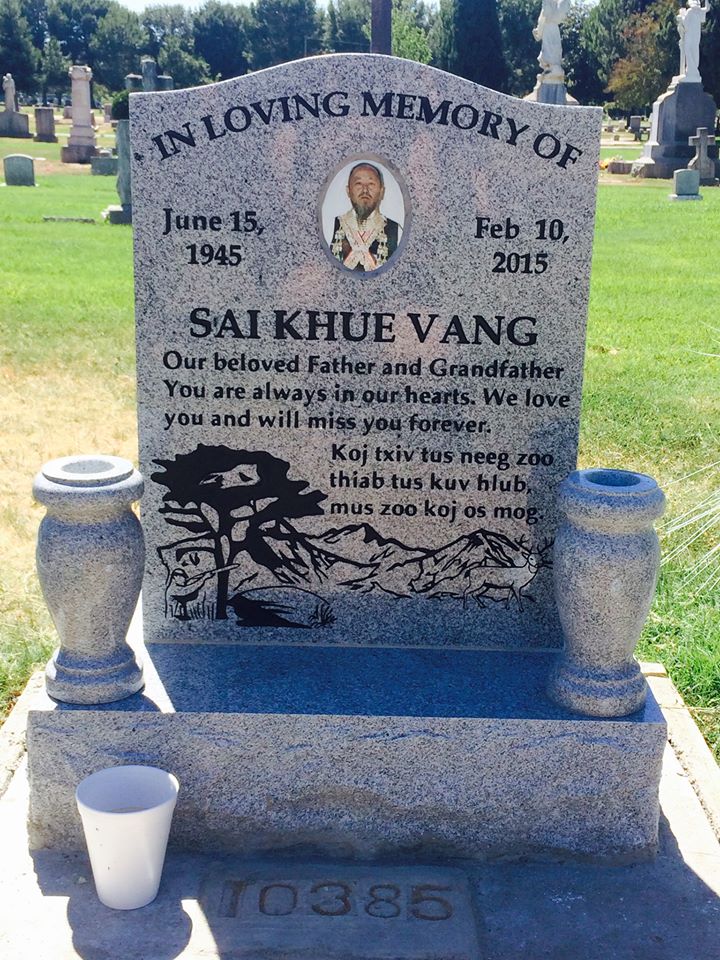
I started to became more aware of my grandparents health three years ago when I lost maternal grandfather. My mom was grieving for a long time which made it difficult for me to ask her about my grandfathers death without crying. I also didn’t expect to loose him since he was healthy and had no illness. His death had affected multiple families that knew him and the strangers that he had helped. It was after my grandfathers death that my mom and her siblings started being more cautious of my grandmother. Since my grandmother lives in California, my mom would call her more often to talk and check on her health. She would also remind my grandmother to take her medications on time and to ask her grandchildren for help. I also made a couple of phone calls to my grandmother and I was surprised that she did not mind having her children’s parenting her on taking her medications and slowing down. She would often joke that she’s forgetful and thats why she’s glad that my mom calls her to check up on her. My grandfathers death took a stroll on me since I’ve never lost anyone to death before and I wanted to be the strong one for my family. Which also back fired since I wasn’t able to grieve. 

I never knew how fragile my grandparents life were until I saw my (paternal) grandpa lying weak in the hospital bed. The first time, he fainted at a nursery home and was rushed to the hospital. I visited him he told me “tsis txhob txhawj, Kuv tsis mob loj.” in translation it means don’t worry, my pain is not big (deal or emergency). The doctor had advised if they can put a camera down his throat to see what is happening to his body on the inside that caused him to faint. My immediate reaction was to do the procedure but my grandpa only cared about coming home. Since I am a girl I was not allowed to have an opinion on my grandpa’s medical procedure. Therefore my dad and uncle were the ones that were deciding with him about doing the procedures that the doctor had recommended. They agree to not proceed which made me worried but my parents reassured me that they were going to keep a close eye on my grandpa. This made me less worried.  The second time, happened after they moved out. I got a call from my cousin at 11pm about grandpa slipping in the bath tub and was rushed to the Emergency room. 

Who looks after the caregivers?

Gibbs

My grandpa is the one that holds the family together. He is the one that is in charge of making family decisions and settling disputes between families or outside of families. It was difficult for my grandpa to accept other people’s help. The only help he accepted from me was to translate to the doctors and thanking them for helping him. He finally accepted the procedure of having the camera go down his throat (I forgot the term/name for it). Since I was still an undergrad, my parents told me to focus on school. I decided to visit my grandpa on the weekend to make sure that he was doing “good” like the doctor said. As I got to my paternal grandparents home, I wanted to do everything for him. I wanted to cook, clean, ask him about his medical procedure and if there was anyone I need to file a complaint about for disrespecting them while I wasn’t there. My grandpa didn’t want me to do anything. He just wanted my company and to have someone to talk. I stayed with him. Then he told me that my first cousins had gotten the medication refilled and picked up new ones. I decided to make a few phone calls to ask the pharmacist about the medications since they were confusing and as much as I wanted to help my grandpa. He wouldn’t let me. 

Which makes me think of Gibbs question as to who looks after the caregivers? Since I am a female not everyone in my family tells me everything that goes on. It really sucks that I don’t know how else to help my paternal grandpa and that they won’t let me. However, I am in charge of taking care of my mom’s health. My mom is around forty years old and although she’s still young I want to make sure that she is healthy. I’ve set up all of her health appointments and have gone to most of her appointments with her. Since I don’t trust some Hmong translators because they’re just really bad at explaining things at clinics that I decided its better for the both of us if I just go with her. Recently my mom is diagnosed with Ulcers and is taking medications to kill the bacteria. My sisters and I have been in charge of cooking meals for the family since the medication makes her drowsy. I also remind my mom that she needs to take the medicine everyday around the same time. My younger sister role is entertaining my mom when she is having a rough day and so far it works for her. Sadly my brothers aren’t actively involved in taking care of my mom but I do remind him that he needs to keep an eye on mom. 

References

Gibbs, N. (2010). The Coping Conundrum. The Longer we Live the More Important Elder Care Becomes. But Who Looks After the Caregivers? Time

Qualls, S. H. (2013). “Caregiving is Just What Families Do”: Challenges of Aging Families and Health. NCFR

Attachment From Middle child

In class we’ve been reading and talking about secure attachment and the benefits that it provides to early brain development, and as a basis through the secure base for learning, exploration, positive self-concept, and executive functioning. According to Hammer, attachment theory is defined as “biological instinct involving the development of a strong nurturing bond between mother and baby formed during early infancy” (Hammer, 15). This made me think of my childhood and how my relationship is like with my parents. Although I am the middle child or the one that gets ignored in the family I think that by securing my attachment with my parents has helped me feel like I was never abandoned. 

Rapunzelhugs

Based off of the film in class, we viewed in our observations of what sensitive parenting would look like. We used words in class like responsivity, bidirectionality, eye contact, warmth, smiling, language, and reciprocity. I also notice these actions appear when I see how my mom treats my baby sister that is currently seven-years-old. Not only is it just with my mom but I notice that I also started showing these behaviors especially when I’m recording her. At first she didn’t know that I was recording but because I gave her so much attention, she was so happy and kept playing and being a goofy baby. I think that because of how my parents had raised me had a lot to do with how attached I am with my siblings as well. 

As a toddler and maybe even now I’m clingy toward my parents. I remember that I wanted to and did go everywhere with my parents. Then one my parents told me to stay home which made me sad and angry at them for not allowing me to attend their graduation. Even though I didn’t know what a graduation was at the time all I knew was I wanted to follow my parents. Then my uncle saw me crying and took me to their High school graduation which made me happy again since I saw parents and got the change to see them graduate from High school. My mom would also emphasize the importance of being patient and looking out for my siblings if there was trouble. 

anigif_enhanced-18589-1406816134-1.gif

Also knowing now that from my childhood, my parents were extremely poor and yet they were able to find ways to help me achieve in life. My parents tried to communicate with my teachers and was always taking me to the library to check out some books to read at home. We would always take a stroll to the park and my parents never made me felt like I was poor. Its interesting for me to think about this, because if my parents told me I couldn’t get this because I’m poor than I would feel so defeated. Which made me thought of Khazan statement about “a child tumbling through toxic-stress cycle may have a brain that’s ready for a “dog-eat-dog-world””(Khazan, 2014). Its sad to think that a child would have to be this prepare for the “dog-eat-dog-world” at such a young age.

I think it is essential for parents to support their children in any type of way that they can. A time that I remember being supported was for my dance group. My mom and she would encourage me to continue my traditional dance group during new years or talent show. She helped me build confidence in my team and that I could do well during performances. Ever since then I knew that I could count on my mom for help.  Although my dad didn’t really vocal his support for my traditional dance group since he was more worried about my academic achievement as an English second language learner. My dad would do the behind the scene stuff like showing up to the day of my performances, paying for my dance clothes and at the end of the day he’ll tell me that I did a good job. Overall, parents should bond with their children and be supportive an any type of way that they can.


References

Hammer C. (2012). NCT Research Overview: Parent-Child Communication is Important From Birth.

Khazan, O., (2014, June 26). The Atlantic. How Supportive Parenting Protects the Brain.

Applied post #2

If I was to lead a workshop on campus I would emphasize the importance of communication and intersectionality that could create conflicts in relationships. This particular one I would like to emphasize on having teens to participate since dating in high school is pretty dramatic. The icebreaker will be Fear in a hat. Everyone gets one piece of paper and write their own fears onto the paper then places it onto the hat. I will ask for volunteers to read some of the fears in the hat out loud if there are none then I will read a couple of them depending on how big the group is. As the fears are being read out loud people will step out of the circle if they feel that this fear relates to them or have ever thought about it. In the end of the section we will see how far and close they are from their partners which shows that their fears are going to affect them if they do not communicate this. I will ask the group what did they notice? Were you surprised by the outcome? Or what surprised you? How can we face these fears?

tumblr_o30jm05Ozp1sjwwzso1_540

The purpose of this activity is that I want people to visually see that by not communicating their concerns could create conflict and make them drift apart. Especially on the topic about social media uses and how that affects the relationship. As silly as it sounds to have conflict about social media usage there are conflicts when a girlfriend finds out their boyfriend liked some girls picture on Instagram or Facebook. According to Teen Voices in the Digital age “47% have expressed their attraction by liking, commenting or otherwise interacting with that person on social media”(2015) therefore it makes perfect sense as to why their partner is angry at them. This also adds on why their partner’s or significant other does not answer their phone but has time to like a girl’s picture. There is “85% of teen daters expected to hear from their significant other at least once a day, and 11% expect to hear from them hourly” (2015). I think the purpose of this is to feel secure in the relationship and knowing that its not one-sided. Nobody likes conflict in person or through technology.

A couple of solutions that I came up with are to communicate with your partner about their use of social media or if they even use it at all. Second, I think that people should limit themselves from using too much social media and updating people on their life. According to Pews Research Center, “teens who have access to mobile technology are more likely to be involved in conflicts that originate online or in text messages”. I also find this to be true for when friends argue through text or if there was misinterpretation about what someone has said which could escalate to bigger conflicts. Therefore setting boundaries from using your phone and understanding one another is a good way to avoid conflicts.


References

Teen Voices: Dating in the Digital Age. Pew Research Center. (2015, October 01). Retrieved from http://www.pewinternet.org/online-romance/

Lenhart, A. (2015, August 06). Chapter: Conflict, Friendships and Technology. Pew Research Center.