Online Youth Identity

Imagine an eight-year-old girl having the best time of her life creating slim because her parents couldn’t afford it. Therefore she thought of making her own slim at home by researching the materials online and finding her supplies at home. There were multiple steps to getting it right since each slim is slightly different from one another. You have to make sure it’s not too gooey or sticky and not too much that you can’t preserve it in a jar. Then of course there’s that wonderful feeling of accomplishing a goal and getting the perfect slim that you wanted. Now imagine not being able to do any of this experiment because parents think that it’s dangerous, wasteful and messy. Imagine that child being told to practice studying math, science and reading that possibly holds no or less meaning to children. This little girl has dived into being curious about making experiments with different glues, shampoos, and dish soaps. She is being a creative thinker and is curious about everything. Our fears are logical but it could also be the one that is stopping youths from forming their own identity online and that is to be an activist, videographer, photographer or webpage designer and just anything that makes them feel unique. 

This experiment has become a part of her identity and without this she wouldn’t be interested in science without the help of digital footprint. Digital footprint is “a trail of data you create while using the internet” (2014) and it records your online data. For example, people record videos and post them on Youtube and are able to share them with their friends or use the computer to play video games and chat with friends. All of those trails are being recorded. There are a couple of pros and cons to digital footprint such as the things that youths research online can easily find since it is one of their most popular or related searches. One of the cons is that it can invade privacy by oversharing your personal information. In the past I have received emails from people claiming that they know where my family is from and that I have a distant relative that passed away and has a large sum of money that was left behind. I know this is a common scam, and this email scam can mislead youth because money is something youths are interested in, and would like to have. In these emails the scammers ask for bank account information, along with social security numbers and full names. These emails worry me because it is very easy to make an email sound persuasive, and with how much information is on the internet it is easy to make it seem like the scammer knows you from a simple google search. Therefore it is important to have a conversation with youths about staying safe online. This video below gives a couple more perfect examples of oversharing by Teen Voices. 

Common Sense Education. Teen Voices. Retrieved from https://www.youtube.com/watch?v=ottnH427Fr8

However, I do believe that youths and teens can create an online identity that is defined in multiple ways such as exploring new ideas, showing representation or expression, being recognizable or present in society (Davis & Weinstein, 2017). Anything that will define your own characteristic trait. Along with digital footprint is that almost everything posted online is permanent therefore we should be careful about the things that we post on the internet and be aware of what others are sharing. As Erikson mentions he “believes young people needed a safe space to explore different identity and see which of them fit” (2017). 
This is relevant since everyday youth are trying to find themselves. They are learning new things about the world and finding who they are as a person especially in this generation that is constantly involved with technology. There are schools that are giving Chromebooks, and are teaching students how to use Minecraft as a learning tool. Due to Covid-19 lockdown there is a huge transition of having schools being taught online and keeping social distance. Which makes this a great opportunity for youths to explore more of the internet to learn more about themselves and try to enjoy this new transition. I know that in my house, it has become harder for my younger siblings to enjoy the internet when they are constantly having virtual class online and then having to do their homework online as well. It can be draining that people would feel like they are not themselves. People

As important as it is to form an online identity it is also important to stay safe and to be aware of the dangers of giving out/posting too much personal information online. For example, TiK Tok has become a popular app among youths, adolescents and so one. On TiK Tok people use it to create funny videos and possibly to become a comedian one day. However, one of the possible dangers of creating a TiK Tok video is that people forget to limit themselves from being the next well known TiK Tok video. It is really easy for people to become addicted to this since the videos are short and straight to the point. My point is that there are pros and cons about having an online identity and that there are
What does researchers suggest?

As Moreno mentions, having boundaries between your online and offline identity is important to not give out too much of your personal information (2013). There is an issue with being overly exposed to information online such as learning about a new video game or following the next trend shown on Youtube and Instagram. A couple of strategies that we as human beings can take are to educate youths about using an appropriate amount of time online. For example, a 11 year old son is staying home and goes on their computer for school. He is video chatting with his teacher and asking questions for help on a class assignment. As a break he decides to turn on his Nintendo switch to play a little video game then goes on Youtube to watch a funny video and then heads back to the computer to work on his homework. Within the timeframe there has been no break from a computer screen and this creates overly exposure to the use of the internet. 

I had experienced a tantrum from a five year-old girl that had led to a lecture with my little sister about her overuse of technology. At the time she was in school and her friends would talk to her about the interesting youtube videos and games on the internet. This created a book of curiosity in her mind and it was impossible to get her to listen when she is on the computer. According to researchers I needed to raise awareness (Haan, 2009) and have a discussion with my younger sister about harms of the internet and boundaries (Moreno, 2013). Luckily, I have learned how to talk to her and come up with rules that are reasonable that we both can agree on. She was willing to listen and followed the new rules that we came up with. I am not saying that this is the best or right way but this is how it has worked for me and my family to get along without feeling like she is being overly exposed to the internet. 

References

Common Sense Education. (2019, Jan. 11). Teen Voices: Oversharing and Your Digital Footprint. Retrieved from https://www.youtube.com/watch?v=ottnH427Fr8

Davis, K. & Weinstein, E. (2017). Identity development in the digital age: An Eriksonian perspective. In M.F. Wright (Ed.), Identity, sexuality, and relationships among emerging adults in the digital age (pp. 1-17)

De Haan, J. (2009). Maximizing Opportunities and Minimizing For Children Online. In S. Livingstone & L. Haddon (Eds.), Kids online: Opportunities and risks for children (pp. 187-198). Portland, OR: The Policy Press

Digital Footprint. (2014, May 26). Retrieved from https://techterms.com/definition/digital_footprint

Moreno, M. A. (2013). The Healthy Internet Use Model: Using Boundaries, Communication, and Balance to Stay Safe Online. In Sex, drugs, ‘n facebook: A parents’ toolkit for promoting healthy internet use (pp. 39-54). Alameda, CA: Hunter House Publishers

 

Aging or Growing Old

How do we define aging? And What comes to mind when we hear the words aging? Most people think of being old like almost turning 30, growing white hair, and having wrinkles. According to my younger sister who is eight-years-old she believes that going to 4th grade will make her age and she’s not entirely wrong. In normal life cycles people are changing everyday. There’s growth to learning more about aging and how this could affect our mental health as well. In this situation, I want to dive into aging and growing older and how adolescents or even young adults can be more aware of elders. This is also coming from my perspective of working in elder care as a second generation Hmong American in the field of Family Social Science.

In the topics of aging people are so inclined to think about physical appearance that sometimes we forget what aging does to the body on the inside. As a Personal Care Assistant I had the pleasure of assisting elder care and have seen how my patient went from being able to walk at my pace to slowing down. Or from being able to open a water bottle to needing my help. These are mostly viewed as the minor things that comes with aging. It can also be unbelievable for people to grasp the thought of not being able to do their daily routines. The older humans become the more our bodies can no longer support us and that is okay to ask for help. Its not always easy to find things to do as you get older, therefore I had to do some research to find other activities that aren’t too harsh for elders. One simple task that never age is asking them to tell a story and you can be as specific or broad about this since humans love to talk about themselves. Of course not all of this was easy, there were some things that I have to do research to be a better helper to my patients such as finding the perfect itch cream or food that has iron and vitamin D.

Retrieved from Google Image search

Not only do I notice aging as a Personal Care Assistant but as a granddaughter too. I have witnessed my grandparents being able to remember my birthday to forgetting our last conversation. I would have the same conversation with my grandparents about college life and how to use my degree to become a better helper. A part of aging also makes people forget. Therefore we have to be patient with our aging mothers, fathers, grandparents, neighbors and the community. A couple of resources that I found to be helpful with aging was from the National Institute of Aging and Mayo Clinic. Aging affects everyone and it is important to understand how it affects us as we grow older. A couple of ways to change our views of aging and elder care are to at least have a conversation about it. There are families that do not understand or know what is going on and one way to approach this is by having a conversation. Also being patience with aging can help. In society it may be easy to forget to take a moment and call our family and to check-in with them.

Resources

https://www.nia.nih.gov/about/aging-well-21st-century-strategic-directions-research-aging/understanding-dynamics-aging

https://www.mayoclinic.org/healthy-lifestyle/healthy-aging/in-depth/aging/art-20046070

Digital Citizenship in Family Profession

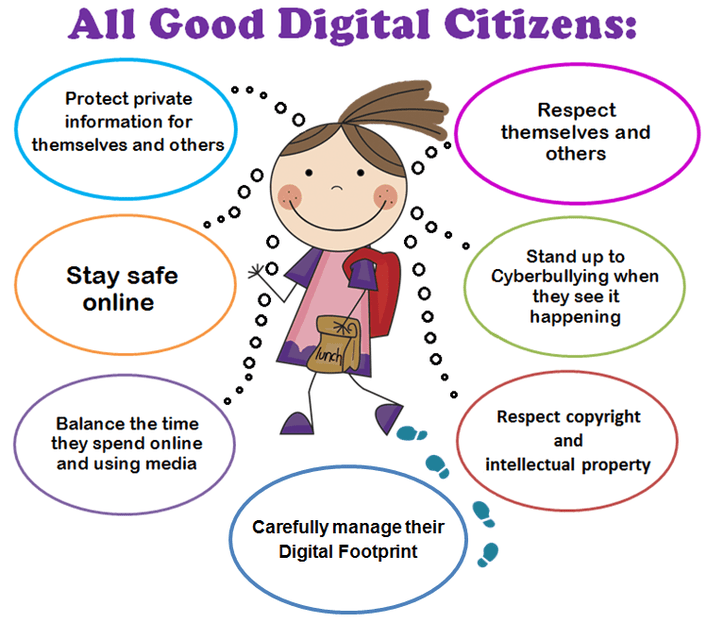
First off, What is digital citizenship? This is a fancy term that is defined by Godfrey as “a way for students to understand how to build safe virtual spaces and communities, demonstrate respect for others, manage personal information, and understand digital laws” (2016, p. 18). There are some good digital citizens such as using appropriate websites with credibility and some not so good ways of using it such as cyber bullying or leaving personal information online. Everyone has their own personal preferences on using their smartphones, computers, smartwatch, tablets etc. and ways of accessing it which is why I find it important for people to understand good digital citizens. Technology is constantly changing and improving. One example, would be the newest iPhones that have three cameras instead of one and other fancy gadgets that come with it. I agree that family professionals should model and encourage digital citizenship because they are working on the front lines with families. Also because in most family professions they have created a bond or relationship with their clients in order for it to be appropriate to give advice of being a good digital citizen instead of hearing about it from a complete stranger. 

Good digital citizenship relates to family profession because it intersects with helping family on the content and practice of family life. Any family profession creates a respectful form of relationship between the clients and the employee. In this case it is more understanding for a family profession to encourage their clients or students to become a good digital citizen. For example, my little sister is in third grade, she admires her teacher and would always talk about the things that she learned in class. If her teacher was to give a lesson about being a good digital citizen, then she is most likely to remember it and will implement them in her daily activities when she is on the computer or wants to download a new game. As Godfrey mentions this being taught in class can “empower students to use technology appropriately and to develop positive digital footprints online” (Sheninger, 2014; Godfrey, 2016, p. 22). Also by doing this she is reminding others about how to use technology and creating a safe space on the internet. The family professions are to give guidance to their clients and this could be beneficial for others that are not aware of keeping their personal information away from the internet. Lastly, this plays a role in helping families delegate their use of IT. 

We should care because without understanding how to be a good digital citizen can create a snowball effect of creating possible stress in the family. For example, a daughter could be complaining about her parents being mean for not letting her go out with her friends because she didn’t do her chores. This daughter could also be expressing things out of anger and could possibly reveal their personal life on the Internet which could create more problems in the family. According to researchers from their studies their sample size uses a good amount of technology such as “emails (100% in personal life; 64% in couple therapy); social media (87% in personal life, 18% in couple therapy); texting (96% in personal life; 51% in couple therapy); and video chatting or calling (87% in personal life; 25% in couple therapy)” (Piercy, Riger, Voskanova, Chang, Haugen, Sturdivant, 2015, p. 212). This shows that everyone is always using technology either for their personal life or for other reasons. There is a higher percentage for people to use technology for their personal life which means how much of their personal lives are being shared to the world? Therefore we should become more aware of being a good digital citizen.

References

Godfrey, R., V. (2016). Digital Citizenship: Paving the Way for Family and Consumer Sciences. Journal of Family & Consumer Sciences. Vol. 108, No. 2, 18-22. DOI: 10.14307

Piercy, F., P., Riger, D., Voskanova, C., Chang, W., Haugen, E., and Sturdivant, L. (2015). What Marriage and Family Therapists Tell Us about Improving Couple Relationships Through Technology. Improving Couple Relationships Through Technology. 207- 227.

Featured

Female Breadwinners in Families

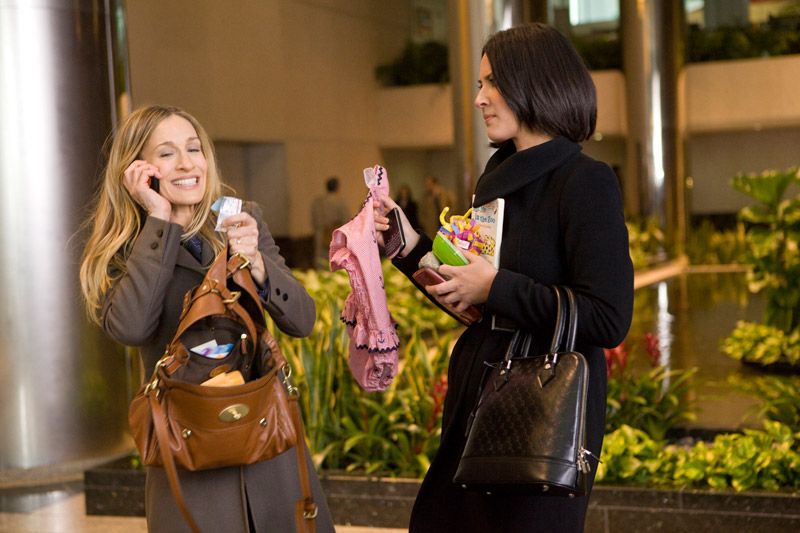
I Don’t Know How She Does It, 2011. Retrieve from https://www.finnkino.fi/en/event/298845/title/i_dont_know_how_she_does_it/

How does the words Female breadwinners make you feel? Happy. Sad. Angry. Worried. There are multiple factors that come into mind when I hear Female breadwinners. One it makes me happy to hear and see female breadwinners that are financially successful especially in an area that was dominantly known for males. Two, it challenges the traditional gender roles that society are familiar with such as women being the caretaker and men being the provider. In a study done by Guant, “Finding show that primary caregiving fathers and primary breadwinning mothers are viewed less favorably than caregiving mothers and breadwinning fathers’ ‘ which means that mothers are being favored as caregivers. This could be due to many reasons such as the stereotypes that men and women face such as “women are less task competent than men” (Guant, 2013).

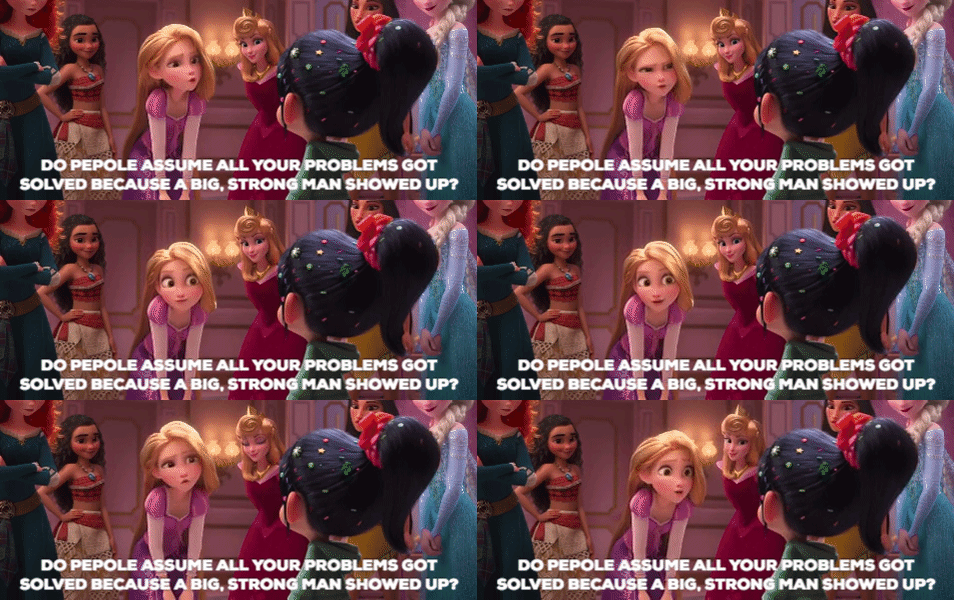
The role of being the breadwinners in families are predominantly known for males. Recently I was reminded by my eight-year-old sister that in the past women were not allowed to do plenty of things that males could such as voting or being able to work. These gender roles were inflicted upon us at a young age due to society’s traditional view and the stereotypes that people have about women being fragile. There aren’t many social media portrayals of females taking the lead until recently where Disney started producing movies where the stereotypical damsel in distress princesses became confident leaders that were independent. (picture below)

Where did these gender roles come from?

They didn’t appear out of thin air. Gender roles weren’t assigned by a specific person. It was built within cultures and communities to assign tasks a general source of function for overall productivity. However time has evolved since then, and so have resources and education. This means we no longer need someone to hunt, provide food, build shelter, take care of children(s), wash clothes, and prepare food. If these tasks have evolved, why haven’t gender roles evolved? Deutsch stated “Although they acknowledge that particular differences may vary from culture to culture or within a society over time, they imply that the omnipresence of gender as a created system of difference will always bolster a system of inequality” (2007). With movements, marches and protests, awareness is being spread and gender roles are becoming more neutral.

One stereotype that media portrays is that men are macho and strong, and women are weak and unstable. Media may be one of the main influences of gender stereotypes, which has a huge influence on minoritized cultures. “For example, when Hmong women take on more leadership roles, it is often seen as threatening to the traditional male-dominated structure” (Lor, 2013). I can relate to this by being female in a Hmong family. Although I am a first generation Hmong-American and the second oldest daughter in the family I still can’t drink alcohol in front of my male relatives. I am still expected to cook, clean and watch over my siblings versus my brothers that get the leisure to lounge in the house.

Nickelodeon, Spongebob Square Pants, retrieve from https://giphy.com/gifs/spongebob-season-3-spongebob-squarepants-3o7GUyRdPsZwC4nlTi

Who does this affect?

This affects woman and men from wanting to try to change the gender stereotypes. It mostly affects woman, from making an attempt to try to achieve higher than the males or from wanting to pursue masculine jobs that are given to men. I have heard from a couple of men stating that they do not want to be with a woman just because she has a higher degree than him or that she makes more money. It also gives this portrayal that women who are breadwinners do not care about their family, which is not true. Female breadwinners are no different from male breadwinners. Society does not view male breadwinners as being heartless or selfish when it comes to being financially stable for their families. This also belittles woman’s work in the workforces by not allowing them to prove their credibility in the workforce. A women could have multiple credentials from gaining experiences in school or from previous jobs and would still be second guessed by a male worker.

As a result “good” for a women does not mean the same thing as “good” for a man”

Guant, 2013

It also affects men from feeling pressure to present this masculine image of themselves to society and the fear of being looked down upon for wanting to take a step back. The peer-pressure of living up to these gender stereotype can escalate to being called gay and bullying. Being less masculine does not make a person gay, it is the way people view feminine in men and their uncomfortableness that gives people the idea that is gay even though its not. However, it doesn’t stop with the bullying or name calling. This also does not make anyone less of a person for wanting to change the gender stereotypes. It only gives people another perspective to look at and to understand that there is no difference from being a female and wanting to feel financially stable just like any man would.

Why Should We Care?

The traditional gender roles of being the male breadwinner is limiting young females from wanting to achieve beyond males. It creates a barrier for females to want to try something out of the norm from doing feminine roles. This matter is not a one person problem. As I’ve listed above it affects everyone, males and females.

Disney Channel, Kim Possible, retrieve from https://screenrant.com/kim-possible-cartoon-makes-no-sense/

How Can We Change It?

A couple of tips for creating changes are to celebrate success which helps subcultures to normalize female breadwinners or their female success in general. There are tons of things that women have done that some people just brush it aside. I’m not suggesting that we should only applaud females but when a female does accomplish something out of the ordinary, we should celebrate it instead of having second thoughts about it. For example, Mom got promoted into a higher position than dad, families should celebrate this instead of thinking that the mom does not care for her children. Also to understand that just because people are celebrating Mom’s (female) success does not mean that Dad (male) has failed. Lets not shame anyone for being themselves.

Also using traditional proverbs that are viewed as a negative and turning it into a positive. For example there is a proverb that states “Let the women do the talking, she can bicker all she wants” (Lor, 2013) that can be viewed positively by saying women are going to speak up to the things that matter. They will continue to speak up until changes have been made and this could be that they will become lawyers, teachers, or a politician. Overall, be open-minded to trying new things that make society uncomfortable such as seeing female breadwinners and male care-givers.

References

Deutsch, F., M. (2007). Undoing Gender. Perspectives. Vol. 21 No. 1. DOI: 10.1177/0891243206293577 

Gaunt, R. (2013). Breadwinning Moms, Caregiving Dads: Double Standard in Social Judgments of Gender Norm Violators. Journal of Family Issues. DOI: 10.1177/01925

Lor, P. (2013). A Hmong Professional Women’s Reflections and Perspectives on The Influences Affecting the Changing Roles of Hmong Women in America. Journal of Cultural Diversity. Vol. 20, No. 1.

The Journey Begins

This semester I will be engaging in two course that involves critical thinking about families. My first course is Technology in Parenting and Family Relationships which would help explain the amount of technology that we are using today and seeing if it is helping families or not. Second, I have Parent-Child Relationships which analyzes “history, theories, research and contemporary practices of parent-child relationships across the life span” (Walker, 2018).

This is a friendly reminder that everything I post here are my opinion based on articles and research. I do not own any of these articles, videos or research and will link my sources below.

Thanks for joining me!

“Ohana means family. Family means no one gets left behind or forgotten” — Lilo and stitch

post